How Long Do Porcelain Veneers Last? What St. Peters Patients Should Know in 2026
Matt Howard • September 5, 2026
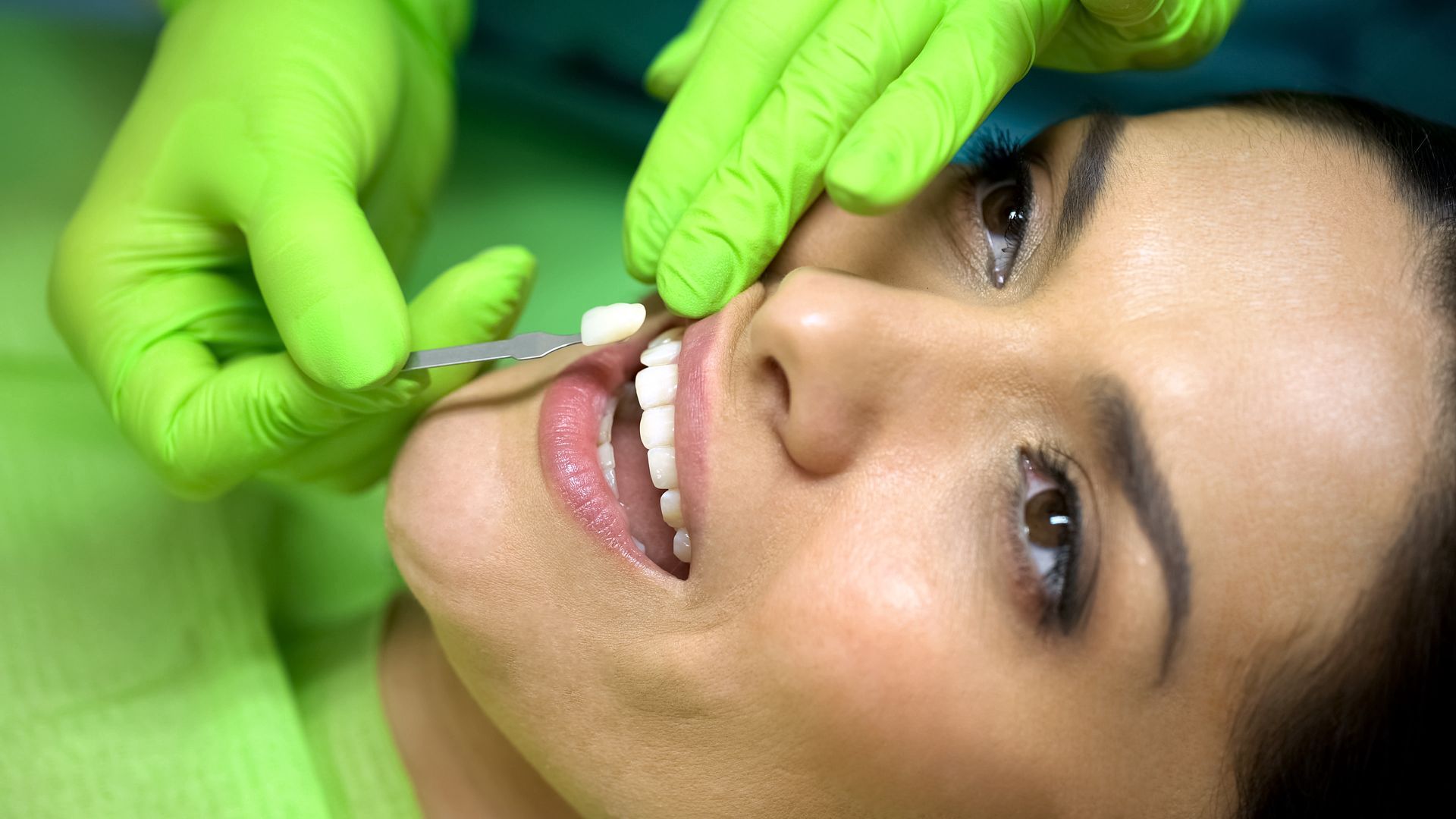
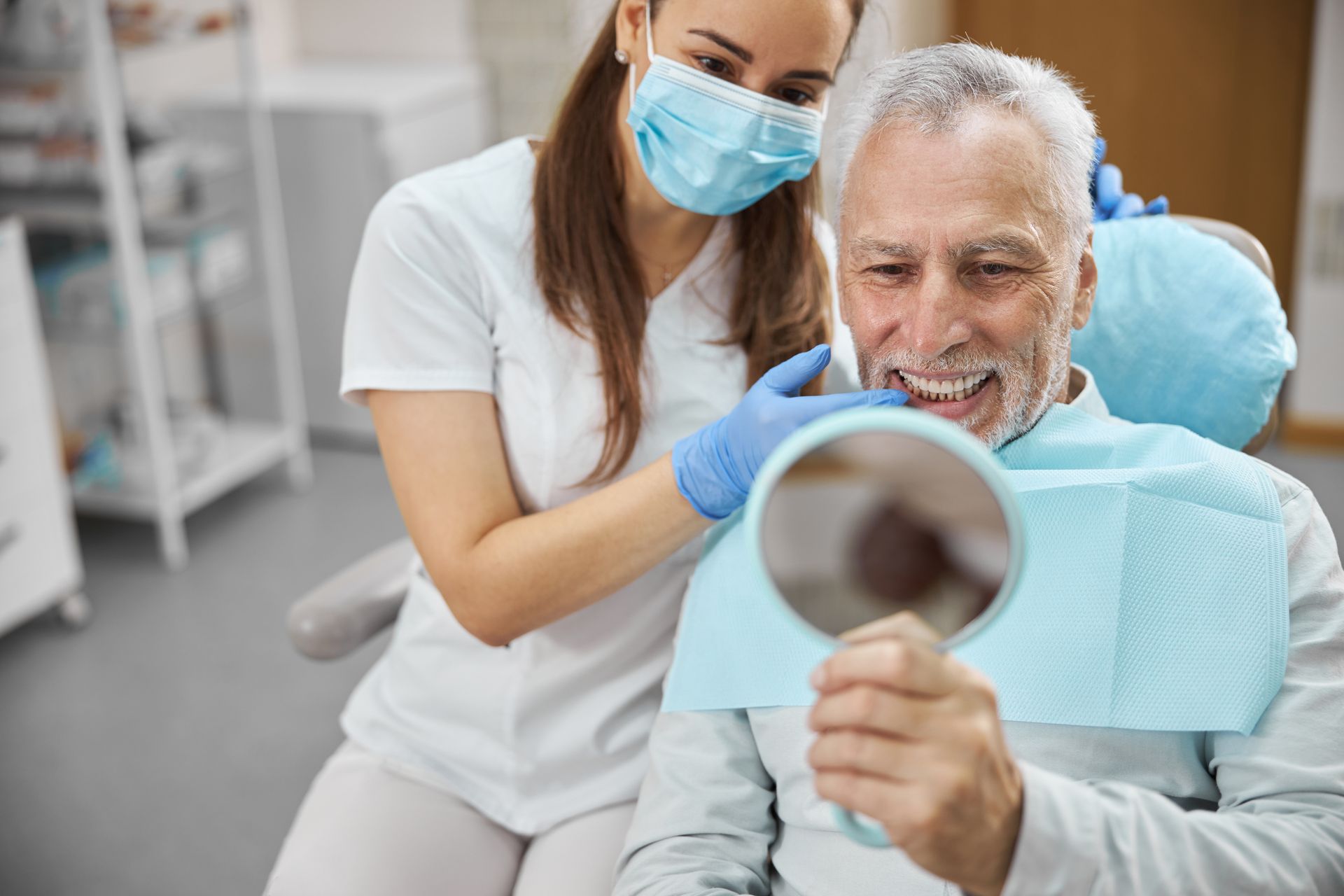
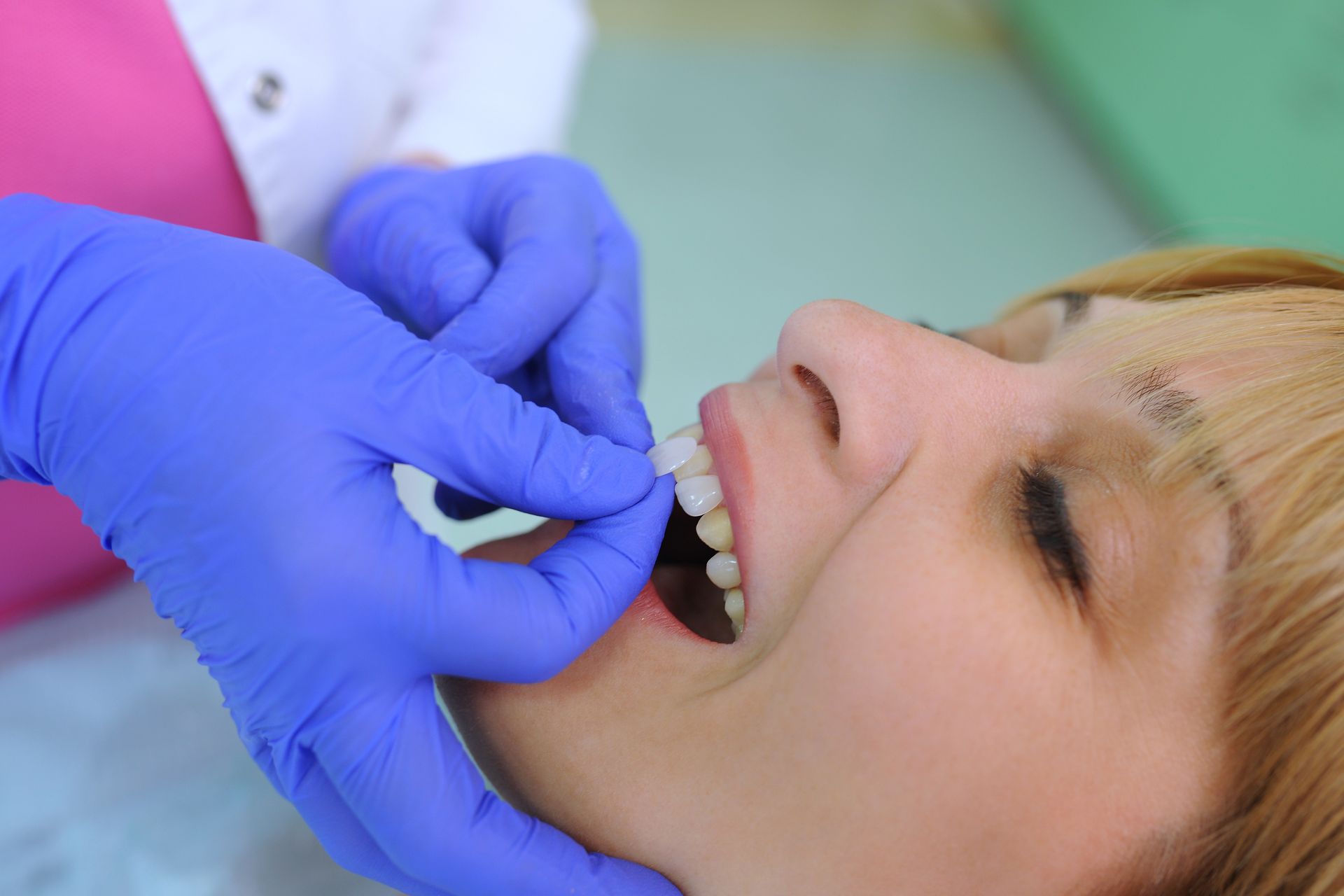
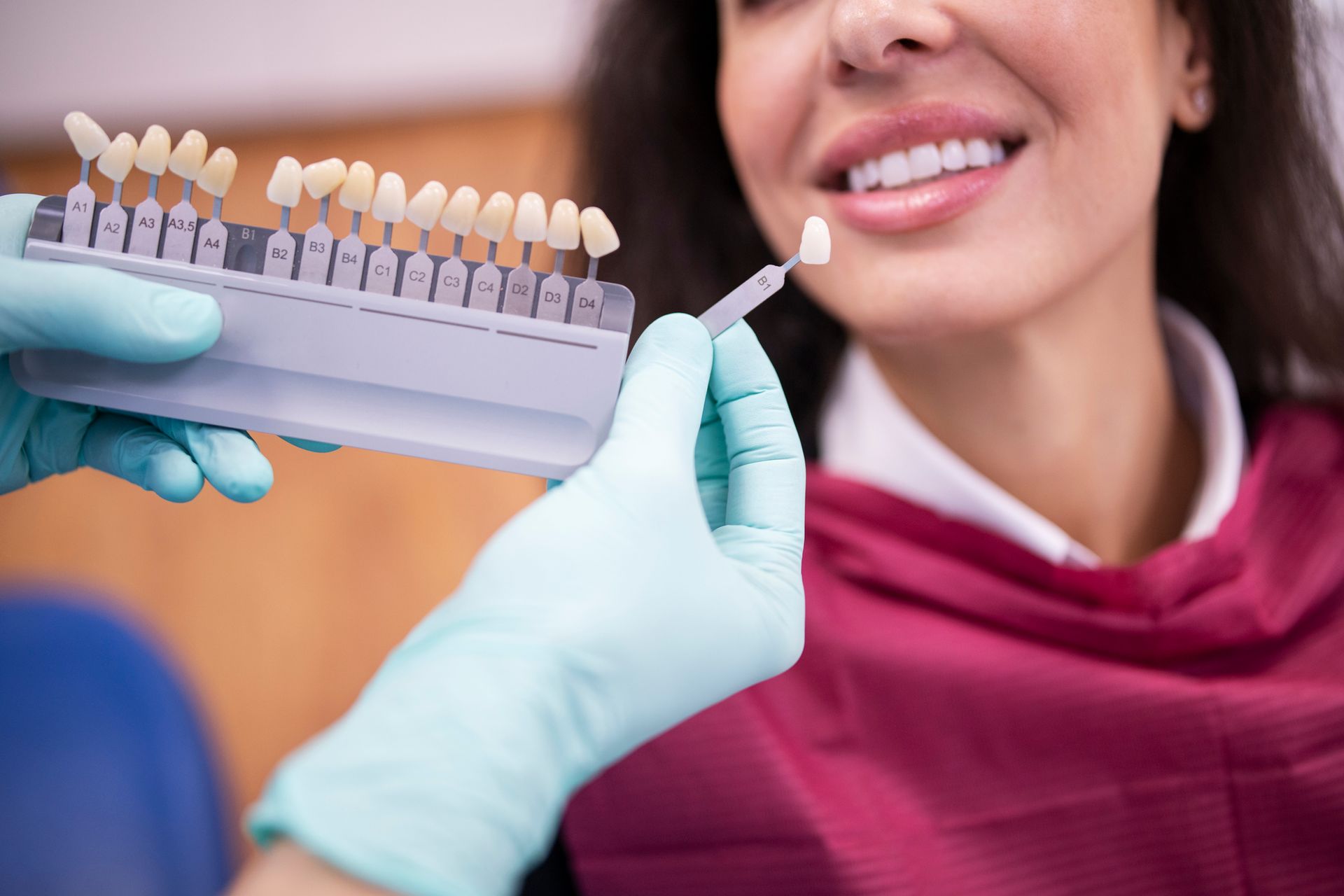
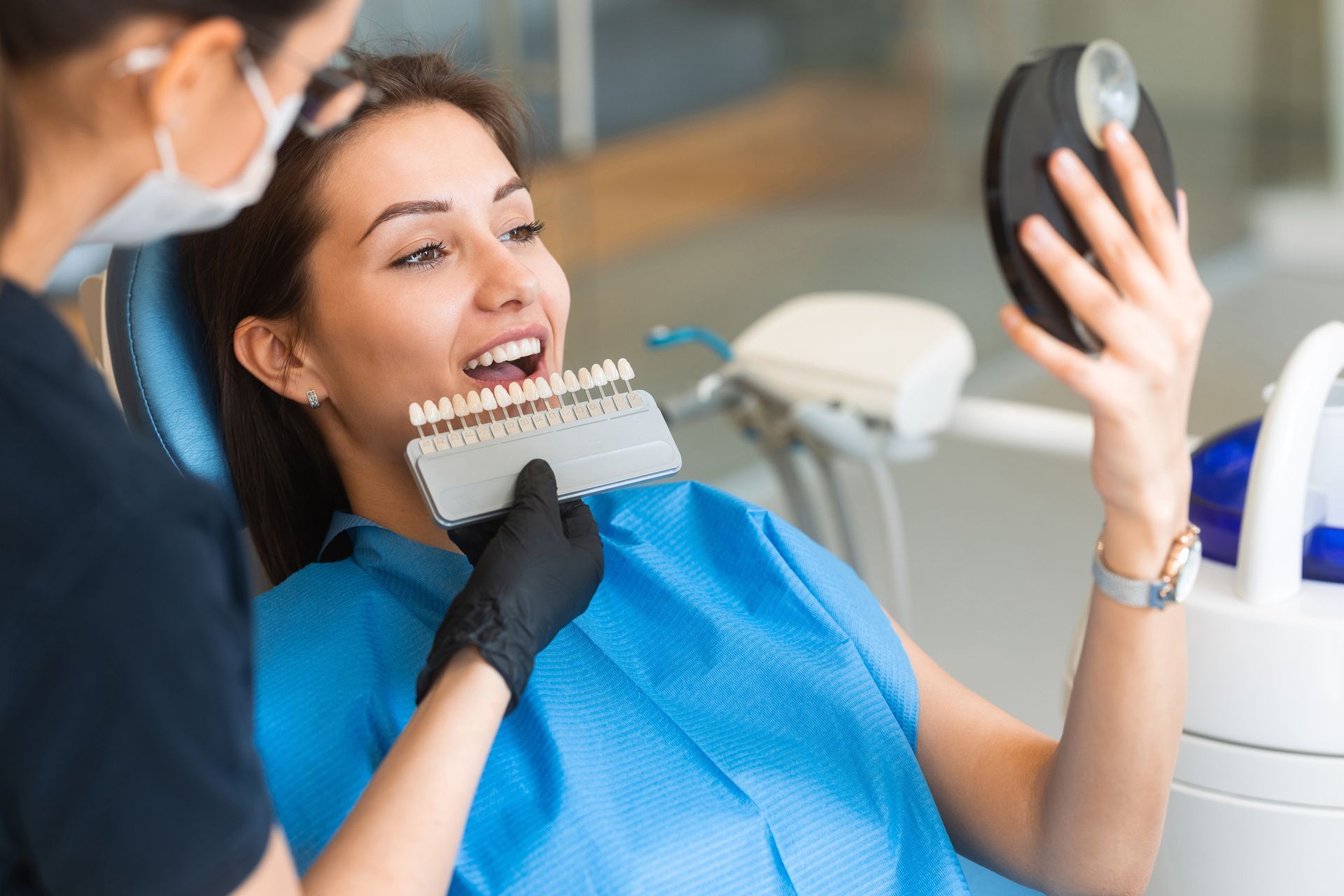
Patients considering porcelain veneer treatment in St. Peters, MO, often want to know one thing before committing: how long will these veneers actually last? This post covers veneer lifespan, the habits and health factors that affect durability, how porcelain compares to composite, and the aftercare steps that give your smile the best chance of lasting for many years.
How Long Do Porcelain Veneers Typically Last?
Porcelain veneers can last a long time with proper care. Most patients may expect their veneers to remain in good shape for 10 to 20 years before replacement becomes necessary. Some patients see even longer results, while others may require attention sooner depending on lifestyle and oral health habits. The material is durable and stain-resistant, which contributes to its long track record in cosmetic dentistry.
Porcelain veneers are not permanent restorations. They will eventually need to be replaced, but consistent care and regular dental visits can significantly extend how long they stay looking their best.
What Factors Affect How Long Veneers Last?
Teeth Grinding and Clenching
Bruxism may be one of the most common reasons veneers fail prematurely. Repeated pressure can cause chips or cracks over time. Patients who grind their teeth at night may benefit from wearing a custom night guard.
Staining Habits and Diet
Porcelain resists staining well, but the bonding cement used to attach veneers can discolor with heavy exposure to coffee, red wine, tea, and tobacco over many years. Moderating these habits may help keep the margin looking cleaner for longer.
Oral Hygiene Practices
Brushing twice daily with a non-abrasive toothpaste, flossing regularly, and attending twice-yearly cleanings may all help protect both the veneers and the underlying tooth structure. Gum disease or decay around the bonded tooth can compromise a veneer even if the porcelain itself remains intact.
Biting Habits and Hard Foods
Using veneered teeth to bite nails, open packaging, or chew ice places unexpected stress on the porcelain. Avoiding these habits is a simple step patients in St. Peters, MO, can take to protect their porcelain veneer treatment results.
Porcelain vs. Composite Veneers: How Do They Compare?
Porcelain typically outlasts composite resin by a significant margin. Porcelain veneers may last 10 to 20 years or more with proper care, while composite resin veneers often last around 4 to 7 years before needing replacement or repair. Porcelain is more resistant to staining, provides a more natural-looking result due to its light-reflecting properties, and is generally the preferred choice for patients seeking a long-term cosmetic solution. Composite veneers are easier to repair if chipped but show wear and discoloration sooner.
Aftercare Best Practices for Veneer Patients
A few consistent habits may meaningfully extend veneer life. Brush with a soft-bristled toothbrush and non-abrasive toothpaste twice daily, and floss gently around each veneer to prevent gum inflammation at the margin. Visit your dentist every six months for professional cleanings and veneer inspection. Wear a night guard if you grind or clench during sleep, avoid biting into very hard foods with your front teeth, and rinse with water after consuming staining beverages.
Are Porcelain Veneers Reversible?
No. A small amount of enamel is removed during preparation so the veneer can sit flush and bond properly. Once enamel is removed, it does not grow back, meaning veneers will need to be replaced rather than simply removed at the end of their lifespan.
Will Veneers Need to Be Replaced All at Once?
Not necessarily. A single veneer that chips or debonds can often be replaced individually. However, replacing one veneer years after the others were placed may result in a slight color difference, since new porcelain may not match older veneers exactly. Discussing this during your consultation may help you plan ahead.
Can Veneers Be Whitened If They Discolor?
No. Whitening products work on natural enamel, not dental porcelain. If veneers have discolored, replacement is typically the only option to restore a brighter appearance, which is another reason consistent daily care matters from day one.
What Happens to the Tooth Underneath a Veneer?
The natural tooth underneath can still develop decay if oral hygiene is neglected. Bacteria can work their way under the bonding edge if the gum line is not kept clean, potentially requiring the veneer to be removed for treatment. Regular checkups allow your dentist to monitor the margin and catch early signs of concern before they become larger problems.
Schedule a Veneer Consultation Serving St. Peters, MO
Arrow Dental Care, serving St. Peters, MO, offers porcelain veneer treatment under the care of Dr. Matt Howard, D.D.S., who is certified in the latest veneer technology, including Lumineers. Whether you are curious about candidacy, longevity, or what the process involves, the team is ready to walk you through every step.
To ask questions or book your consultation, visit the contact page or call (636) 441-6999. You can also explore patient reviews and office information at Arrow Dental Care.